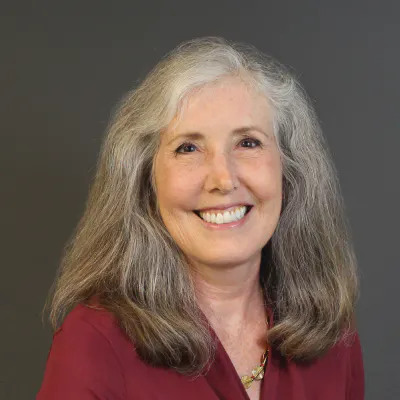
This month, we’re continuing our quarterly conversation on where designers find inspiration with Dean Rockhead, a passenger experience designer whose 35-year career spans aviation and rail.
Passengers tell you what they value
KM: Thanks for agreeing to be our first featured “end user” designer, Dean! I know your career has taken you from airline revenue management to rail passenger experience. That’s a broad spectrum, so I’m intrigued to hear where you draw inspiration.
DR: Yes, people are often surprised when I tell them I came to design through numbers. I spent my first 15 years in the industry in revenue management at Air Canada, forecasting demand, pricing seats, and trying to understand why travellers chose one flight over another. It wasn’t design work in any formal sense, but it taught me the lesson I still lean on most – every choice a passenger makes tells you something about what they value.
KM: That’s a connection we don’t often hear about in design. What did those choices reveal to you?
DR: A fare class, a seat selection, a willingness to pay a little more for a quieter cabin. These are all expressions of what people want from a journey, even when they couldn’t put it into words themselves. I learned to read those signals, and I’ve never stopped looking for them.
KM: How did that understanding of customers’ needs evolve when you transitioned from aviation to rail?
DR: When I moved to VIA Rail, I brought that curiosity with me. Over 20 years, it grew into a career in passenger experience, and in my last role as a Customer Experience Designer within the Fleet Renewal Program, I found myself at the table where data, operations, and design meet. That is where I was happiest.
KM: It’s so satisfying when it all comes together! When you were thinking about the passenger experience, what caught your attention?
DR: My inspiration has always come more from people than from trains. I watch how travellers settle in, where they put their bags, how they hold a coffee cup on a moving train, what they photograph out the window. Those small, unguarded moments tell you more than any survey. The best design starts with noticing what people are already trying to do and then making it easier.

KM: That’s a great point, Dean. I completely agree. Beyond observing passengers’ behavior, where else do you find inspiration?


DR: I draw a great deal of inspiration from architecture, particularly the Victorian buildings I love here in Montreal. The city’s old greystones were built with real craftsmanship: ornamentation that also does a job, materials chosen to age well, proportions that still feel generous a century later. A rail car has to last for decades too, so I find myself asking the same questions of an interior. Will it still feel right in 25 years? Will it wear with dignity?
KM: I think people are often surprised when they learn how long train interiors need to last. How did you think about the customer experience beyond the rail car itself?

DR: VIA taught me that the passenger experience is much bigger than the physical train. It starts with booking, continues through the station and the welcome on the platform, and is shaped as much by the onboard team as by the seats. Working on the food and beverage spaces for our premium overnight fleet made this very clear to me. Dining is where a train stops being transportation and becomes a place, and those spaces only succeed if they work beautifully for the crew as well as the guests.
KM: What challenges did you face along the way?
DR: Rail comes with hard realities – weight, fire safety, durability, maintenance, crew workflow, and a very long service life. My revenue management background helps here, because it taught me that constraints aren’t the enemy. Capacity is finite, so every square meter has to earn its place.
Distinctive doesn’t have to mean extravagant. It means intentional, like a reading light placed where you actually hold a book, or a ledge exactly where you want to set down your cup.
KM: Carefully considered design does make the journey so much more enjoyable, even when customers don’t consciously notice the details. Was there a personal experience that changed the way you thought about the passenger journey?
DR: The experience that changed my thinking most wasn’t a project at all. My father spent much of his retirement in a wheelchair, and traveling with him showed me the world from a different height. A curb, a narrow doorway, or a washroom that was technically accessible but impossible to use in practice could turn an ordinary outing into an ordeal. I saw how often he had to ask for help, and how much quiet dignity it cost him each time.
KM: How did that experience shape your approach to design?


DR: That stayed with me throughout my career. Designing for people with reduced mobility isn’t a compliance exercise or a special accommodation. When you get it right, everyone benefits – wider aisles help the parent with a stroller and the traveller with heavy luggage, level boarding helps an older passenger as much as a wheelchair user, and clear, intuitive layouts make the journey calmer for all. Inclusive design, done well, is simply better design, and I think of my father every time I see it.
KM: Last year you received the RedCabin Rail Interiors “Visionary of the Year” Award, which capped off an amazing career filled with contributions to the industry. Congratulations!
DR: That was one of the proudest moments of my career. I accepted it as recognition of the many colleagues, suppliers, and designers I worked alongside, because nothing in rail is ever achieved alone. It also felt like a fitting way to close one chapter before retirement.
KM: How has your experience changed since retiring?
DR: Since retiring, I notice even more. Without deadlines, I travel more slowly, and I find myself studying hotel lobbies, cafés, restored buildings, and the rhythm of hospitality in places like the Algarve, where I spend a lot of time. Inspiration feels less tied to a deliverable now, and in some ways it’s richer for it.
KM: What do you see ahead for the rail industry?
DR: Looking ahead, I’m genuinely optimistic about rail. Having worked in both aviation and rail, I see more travellers choosing the train not only because it’s sustainable, but because it gives them something flying rarely can: time, space, and a view. The revival of overnight travel, smarter use of data to personalize the journey, and fleet renewals on both sides of the Atlantic all point the same way. The opportunity for our industry is to design trains people don’t just tolerate but look forward to.

KM: A journey to look forward to – that’s a lovely ambition for transportation design. Thank you for sharing your perspective, Dean, and happy travels!

Dean Rockhead Biography
Dean Rockhead is a passenger experience designer whose 35-year career spans aviation and rail. He spent 15 years in revenue management at Air Canada, learning to read the choices travellers make, before joining VIA Rail Canada, where he spent 20 years shaping the passenger journey. Most recently, as Customer Experience Designer within VIA’s Fleet Renewal Program, he helped define the onboard experience for the next generation of Canadian trains, including the premium overnight fleet. A strong advocate for inclusive design, Dean received the RedCabin Rail Interiors “Visionary of the Year” Award in 2025. Recently retired, he lives in Montreal and continues to find inspiration in travel and architecture.